-
Canada’s Temporary Foreign Workers Program is a Massive Violation of Human Rights
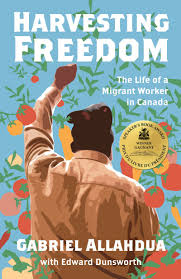
On August 11, 2022, workers in Canada’s Seasonal Agricultural Worker Program (SAWP) penned an open letter about their experiences in the program. “As it currently stands,” they wrote, “the [SAWP] is systematic slavery.” The article was written by Jamaican workers, but they asserted that migrants of other nationalities had faced similarly dehumanizing experiences. “It feels […]
-
Western Support for Israel: A Colonial Legacy
Western support for Israel’s high-tech genocide, justified in the name of the Holocaust, exposes the blatant hypocrisy of so-called ‘liberal values.’ The stakes of the current conflict extend beyond Palestinian liberation, challenging the deeply ingrained colonial mindset of the West at the heart of both global and domestic systems of oppression. For over a year […]
-
Western Distortions of the Palestinian Struggle
Western colonialism and imperialism are the roots of the Palestinian struggle. A common characteristic of western powers is their shared history of colonization and oppression of indigenous populations. This distinction is important because it is clear that there is heavy bias against Palestinians in both western political policy and western mainstream media. The United States […]
-
Refusing the Language of Silence
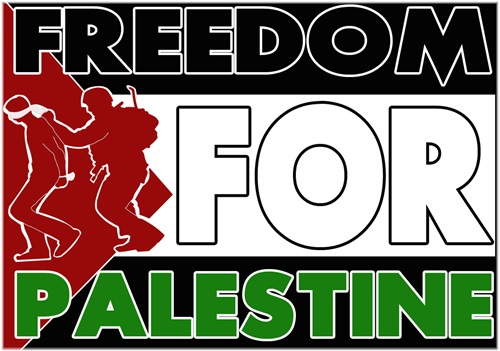
It’s an increasingly familiar contradiction: digital platforms that position themselves as an accessible alternative to corporate media emerge as new censors in their own right. Social media and the internet make it possible to disseminate material that would otherwise have been suppressed, thereby helping to bring alternative conversations to the fore of mainstream awareness. And […]
-
Imperialism and Anti-imperialism Collide in Ukraine (Part 8)
In the American political tradition, doctrines (political, economic, military, etc.) have a distinct role to play. They prepare the ground for devising policies, making decisions, and enacting laws. Still, among all doctrines that have been shaping the identity of the United States, those related to foreign policy stand out. This is due to their (a) […]
-
The Myth of the Marshall Plan and US Imperialism
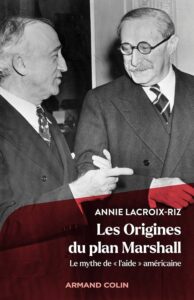
One of the signal events of the post-World War II era– an event that helped shape the subsequent course of US imperialism– was the implementation of the European Recovery Act of 1948, the so-called Marshall Plan. Not only was the Marshall Plan a maneuver to tie Western Europe economically to the US– though Europe would […]
-
Imperialism and Anti-Imperialism Collide in Ukraine (Part 4)
The relentless campaign promoting the inevitability of a direct war with Russia is proceeding without challenge. That does not mean that war could erupt at any moment, or it could never happen. First, war is not based on a timetable. Second, war has no deterministic quality of any sort—it can be avoided. Third, but most […]
-
Losing World War II
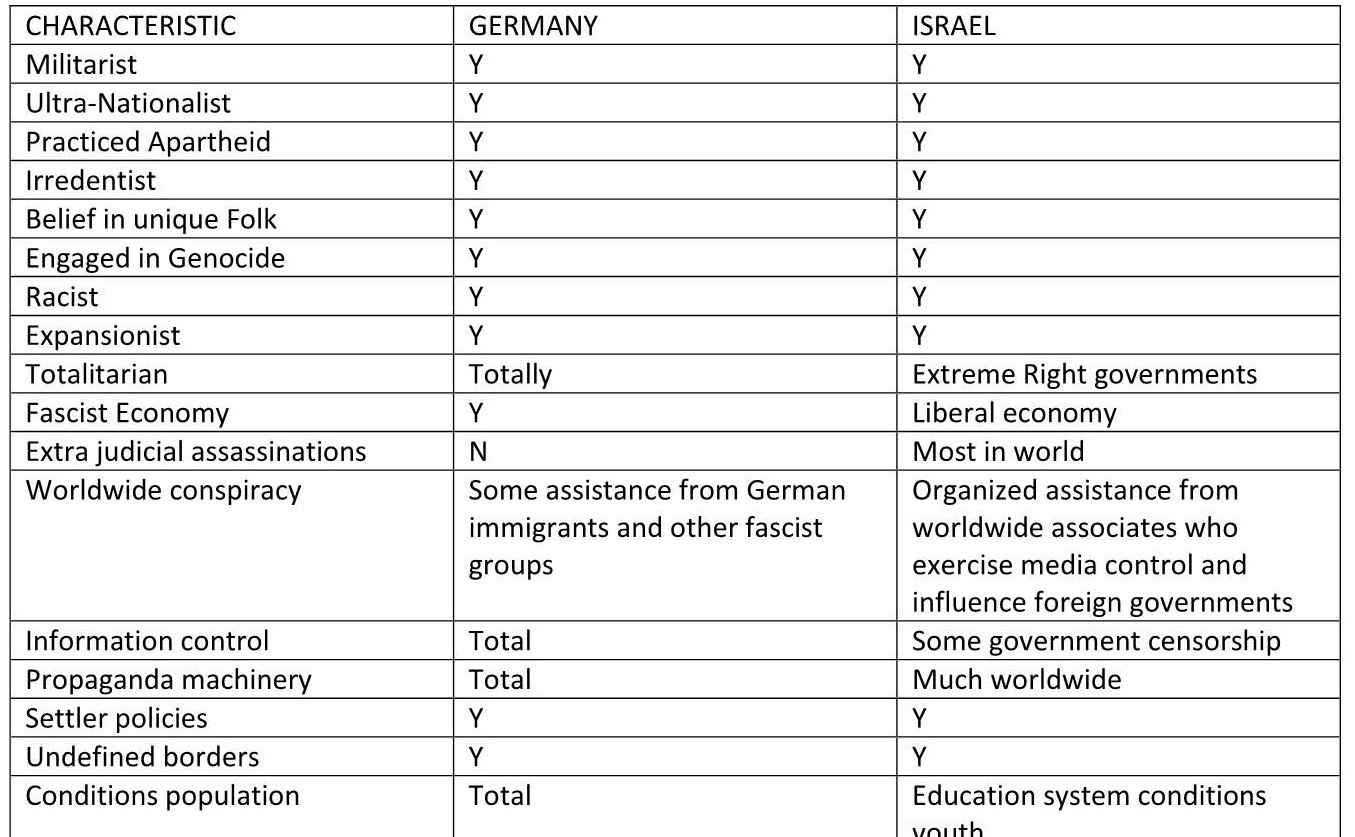
British Prime Minister Winston Churchill desperately tried to persuade United States President Franklin Delano Roosevelt to declare war on Germany and enter World War II. The U.S. president recognized Nazi Germany’s threat to Western civilization and U.S. interests but his intuition told him that the American people were not ready for battle. Complicating a proposed […]
 English
 Arabic
 Chinese (Simplified)
 Dutch
 French
 German
 Italian
 Portuguese
 Russian
 Spanish